

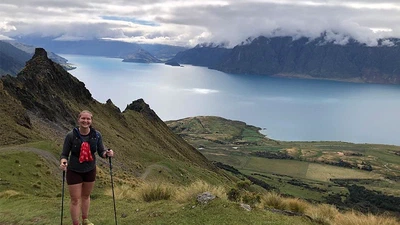
Hannah Kessenich busts ozone hole myths
For World Ozone Day, the University of Otago asked Hannah what people misunderstand about the ozone hole. The short answer: almost everything.

Ozone in the Antarctic stratosphere shapes the jet streams that steer weather across Australasia. This, in turn, affects global climate forecasting. We are quantifying how much forecasting ability will be lost when the Aura record ends. With this information we will set hard targets on what a replacement instrument must deliver.
The work has four strands: establishing the link between ozone data quality and extreme-event forecasting, defining instrumental requirements for the photonics and engineering teams, retrieving atmospheric information from the instrument using the ARTS radiative transfer model, and identifying which further gases the same technique could measure.
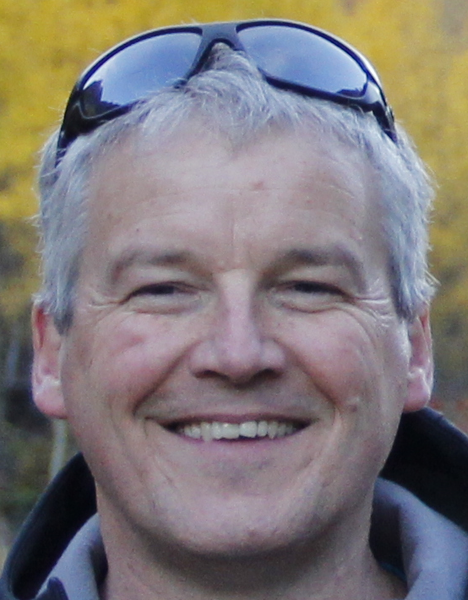
Advisor — Stratospheric Ozone
Bodeker Scientific
Greg Bodeker is the director of Bodeker Scientific Ltd, an independent research organisation that has been operating in New Zealand since October 2009. Bodeker Scientific conducts fundamental climate change research as well as research at the interfaces of climate and other disciplines (e.g. climate and finance, and climate and architecture). Greg has a PhD in Physics from the University of Natal in South Africa, and worked for the National Institute of Water and Atmospheric Research (NIWA) for a little over 15 years where he developed a strong programme of research in atmospheric chemistry and physics with a focus on Antarctic ozone depletion. Greg is also an adjunct professor at Victoria University. He has a passion for seeing innovation used to transition New Zealand's economy to a long-term sustainable model.
Advisor — Aura MLS Principal Investigator
NASA Jet Propulsion Laboratory, California, USA
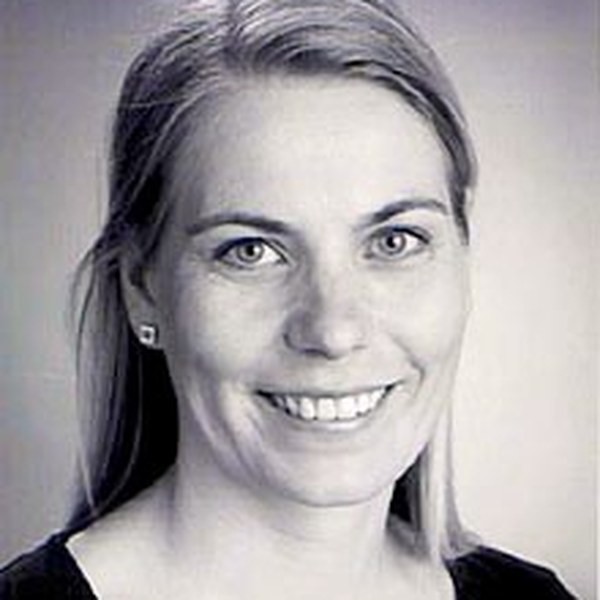
For World Ozone Day, the University of Otago asked Hannah what people misunderstand about the ozone hole. The short answer: almost everything.

A two-year Catalyst: Seeding project pairs Tuwhiri's photonic sensor with a flight-proven JPL microwave spectrometer, aimed at measuring stratospheric water vapour.

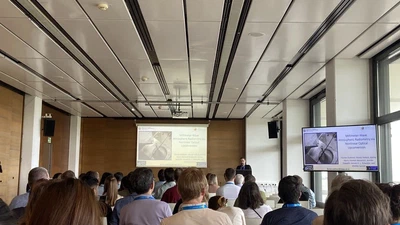
Florian Sedlmeir and Hannah Kessenich presented the programme's photonics and atmospheric science work to around 20,000 geoscientists.
